
One of Leicester’s most historic buildings is celebrating a major milestone this year as the Leicester Guildhall marks 100 years since it opened as a museum.
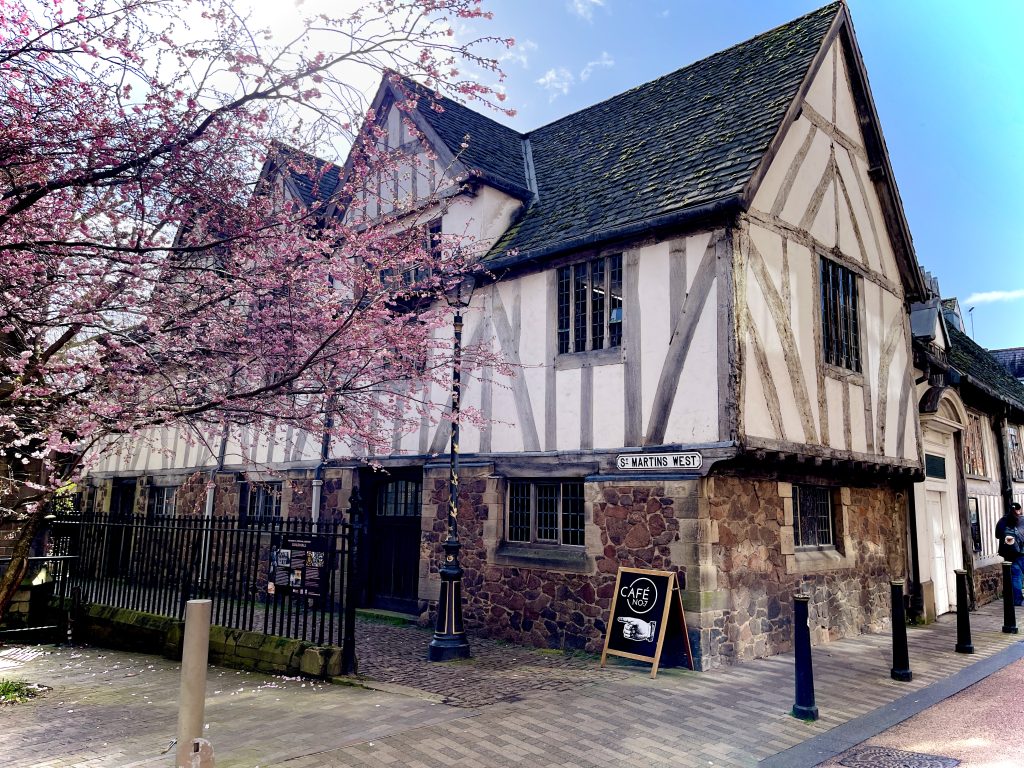
The medieval timber-framed building, believed to date back to the late 14th century, has stood at the heart of the city for more than 600 years. But its survival was far from guaranteed.
Picture credit: Pukaar News
Originally built in the 1390s, the Guildhall served as Leicester’s town hall for around three centuries. As the city grew rapidly during and after the Industrial Revolution, however, the building became too small for civic administration.
“When the population of Leicester expanded, the Guildhall just wasn’t big enough anymore,” explained Anita Harrison, operations officer at the site. “So the city built a new town hall and the building gradually fell out of use.”
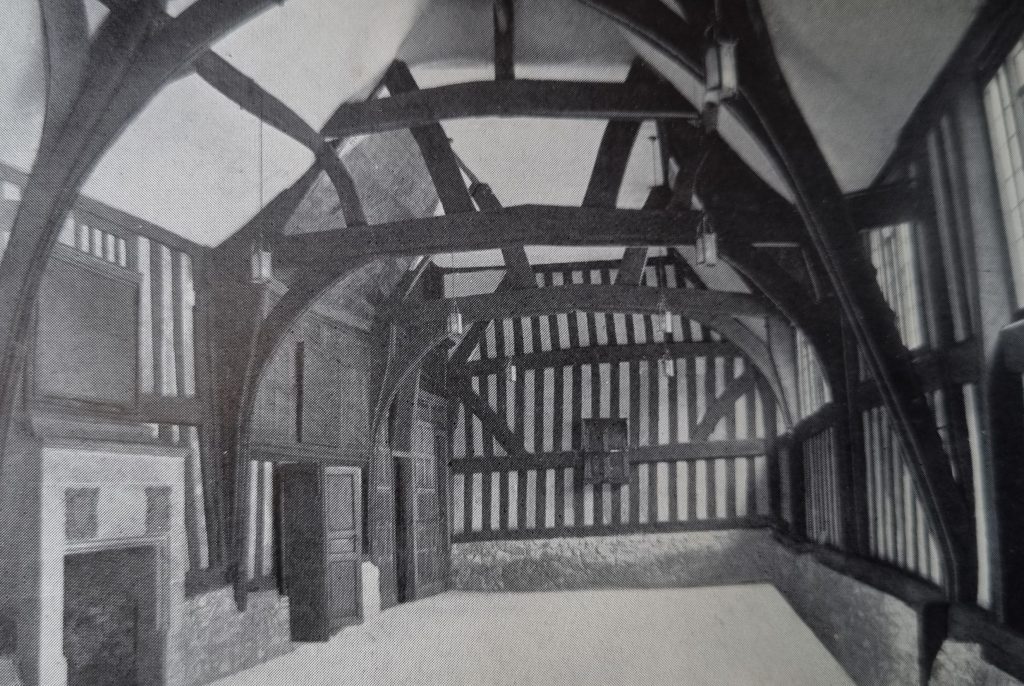
By the late 19th century, the historic structure had deteriorated badly. According to Harrison, many residents saw the neglected building as little more than an eyesore.
Picture credit: Leicester City Council
“It had fallen into disrepair and the wood was rotting,” she said. “At the time people were thinking of demolishing it.”
Its fate changed thanks to the intervention of the Leicester Arts and Historical Society, which recognised the Guildhall’s architectural and historical importance.
“They petitioned to save it because it’s such a good example of a medieval timber-framed building,” Harrison said. “They managed to get the money together and start the restoration.”
A major programme of repairs took place in the early 1920s to make the structure usable again. On May 19, 1926, the Guildhall officially opened as a museum.
A building with many lives
Across its long history, the Guildhall has played many roles in Leicester life.
The building once hosted court sessions and meetings and even housed the city’s first police force. Its library is also believed to be the third-oldest public library in the country.
“It’s always been quite an important building in the centre of Leicester,” Harrison said. “It’s been a meeting place for hundreds of years.”
There are even suggestions that the Guildhall may have hosted performances linked to William Shakespeare. Records show that dozens of travelling theatre companies visited the building, including one associated with the playwright.
“It’s very possible Shakespeare himself could have come here,” Harrison told Pukaar.
Picture credit: Pukaar News
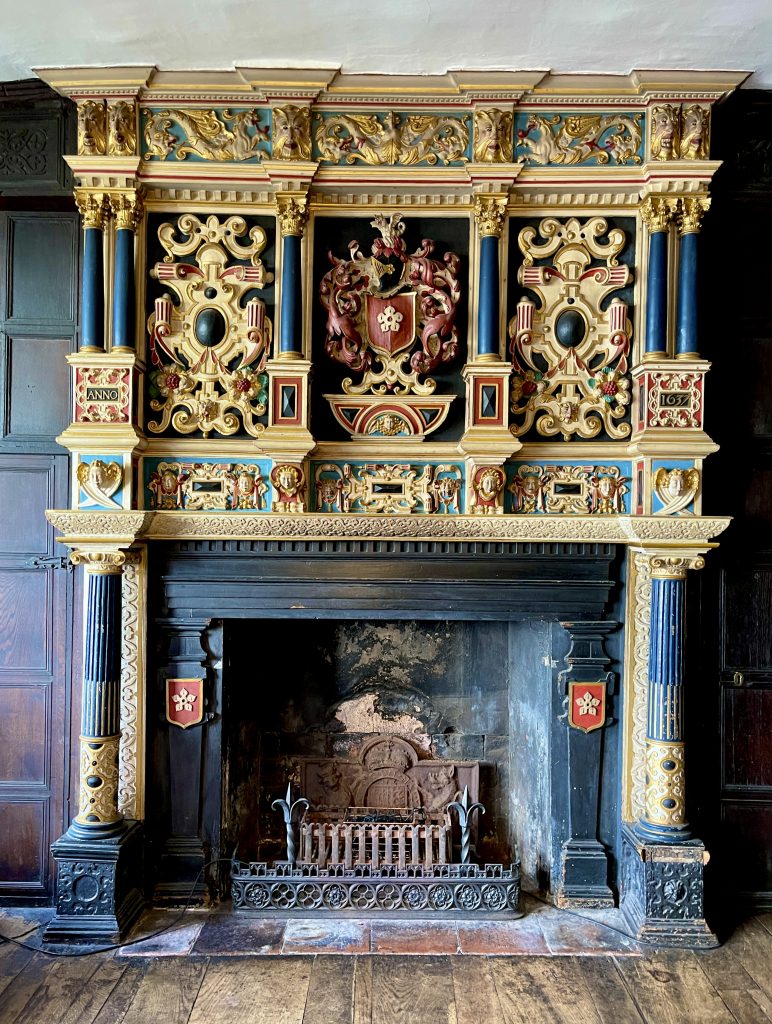
Today, the tradition of performance and gathering continues. The Guildhall regularly hosts theatre productions, storytelling events, concerts and banquets, as well as around 40 weddings each year.
“There were feasts and celebrations here historically as well – even celebrations after the Spanish Armada,” Harrison added. “So in many ways we’re still continuing those traditions.”
History visitors can walk through
Rather than focusing heavily on artefacts, Harrison said the building itself is the main attraction.
“I’d actually say the building is what people come to see,” she said. “It’s the history of the site and the structure itself.”
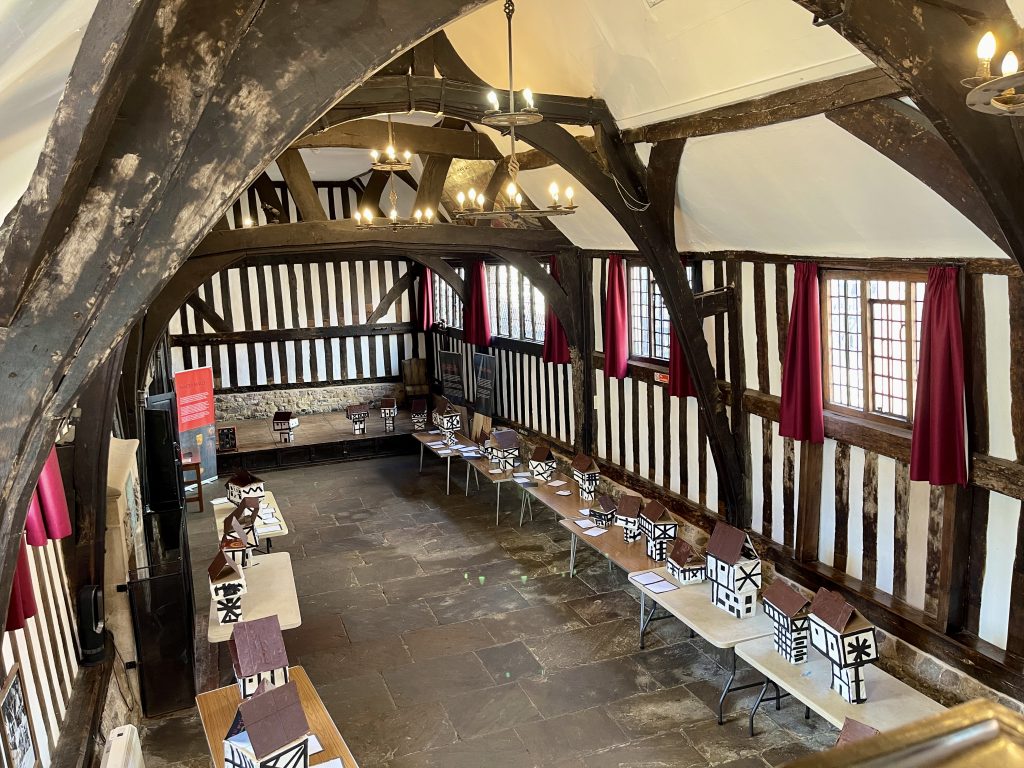
Visitors can explore several areas, including medieval galleries explaining daily life in the Middle Ages, the historic Great Hall, the Mayor’s Parlour and the ancient library. Beneath the building are preserved Victorian police cells.
The Guildhall underwent further restoration work in the early 1990s, including repairs to the roof of the Great Hall, helping preserve the structure for future generations.
Today the museum attracts more than 65,000 visitors each year and admission is free.
Picture credit: Pukaar News
Interest in the site surged after the discovery of the remains of Richard III in Leicester in 2012. The Guildhall sits close to both Leicester Cathedral, where the king is buried, and the King Richard III Visitor Centre.
“At one point we had around 130,000 visitors,” Harrison said. “It had a massive effect on numbers.”
Centenary celebrations
The Guildhall will mark its centenary as a museum with a day of celebrations on May 4.
The free event will run from 11am to 3pm and include guided tours, craft activities such as badge and bunting making, medieval music and historical re-enactments. Visitors will also be able to take part in maypole dancing and watch performances from reenactment group Redcoats and Revolutionaries.
The day will conclude with a family ceilidh in the afternoon.
For Harrison, the anniversary is a chance to encourage more people to discover one of Leicester’s most historic spaces.
“It’s free, it’s in the city centre and there’s always something going on,” she said. “If you’ve never been before, you should definitely come along.”
For more information on Leicester Guildhall, visit: www.leicestermuseums.org/leicester-guildhall/